Top 7 Foods That Cause Diabetes Risk (And What to Eat Instead)
Type 2 diabetes affects more than 38 million people in the United States. Diabetes develops gradually through repeated blood sugar spikes rather than from a single food. Research indicates that dietary patterns high in sugary drinks, refined carbohydrates, and ultra-processed foods significantly elevate type 2 diabetes risk over time.
Why Certain Foods Raise Type 2 Diabetes Risk
Insulin regulates glucose movement from the bloodstream into cells. When meals high in refined carbohydrates or added sugars cause rapid blood glucose rises, the pancreas releases insulin in response. Repeated cycles over months or years can lead to insulin resistance, where cells become less responsive to insulin, causing elevated blood sugar and increased fat storage.
What Foods Increase the Risk of Type 2 Diabetes?
Common examples include:
- Sugary drinks
- Packaged sweets and desserts
- Refined grains (white bread, white rice)
- Processed and red meats
- Fried fast foods
- Sugary breakfast cereals and granola bars
- Ultra-processed convenience foods
The Top 7 Foods That Cause Diabetes Risk to Rise
1. Sugary Drinks

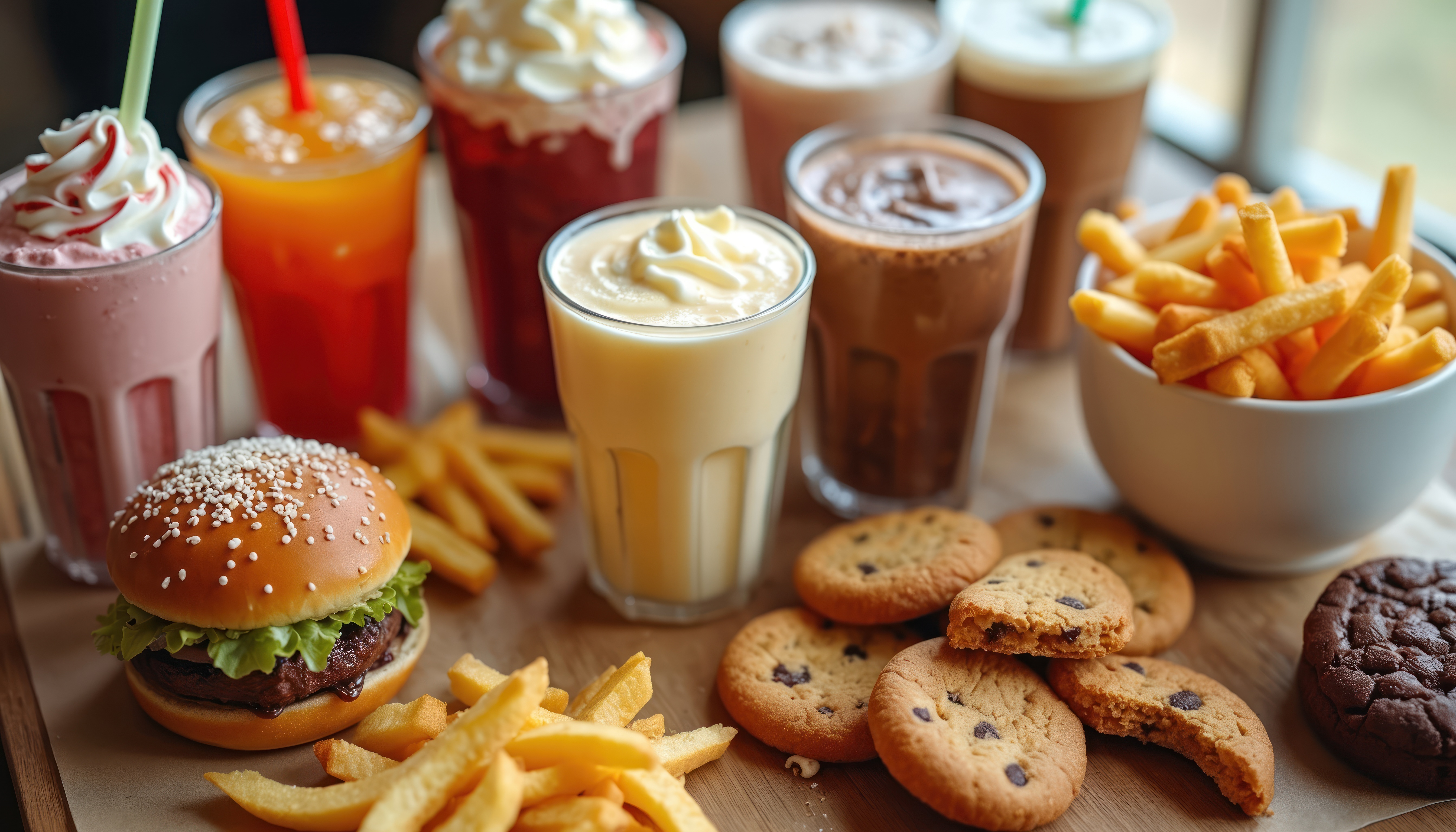
Each additional daily serving of sugar-sweetened beverages correlates with approximately an 18% higher risk of developing type 2 diabetes. These drinks lack fiber, allowing rapid sugar absorption and sharp blood glucose spikes. Without satiety signals, consumers often overconsume calories.
Healthier alternatives: Water, unsweetened tea, sparkling water with citrus.
2. Ultra-Processed Foods
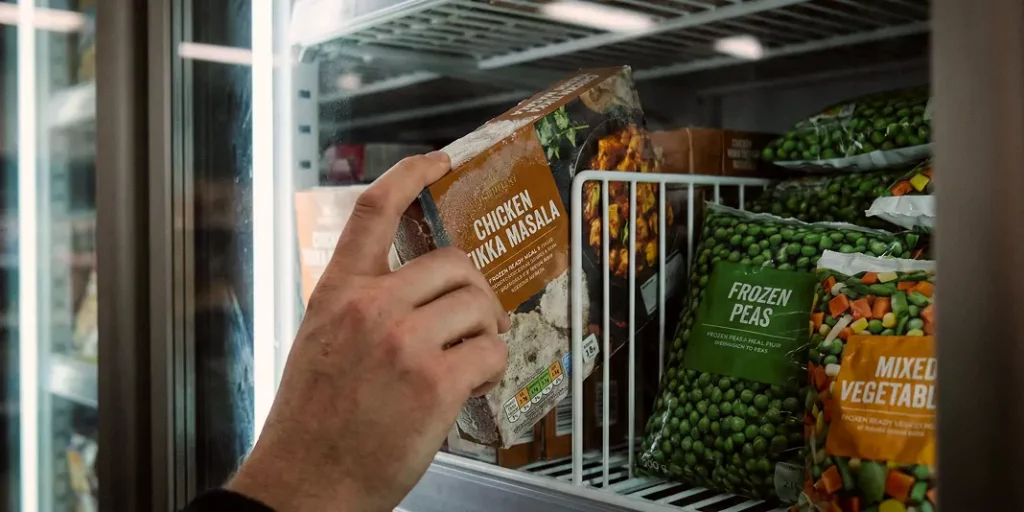
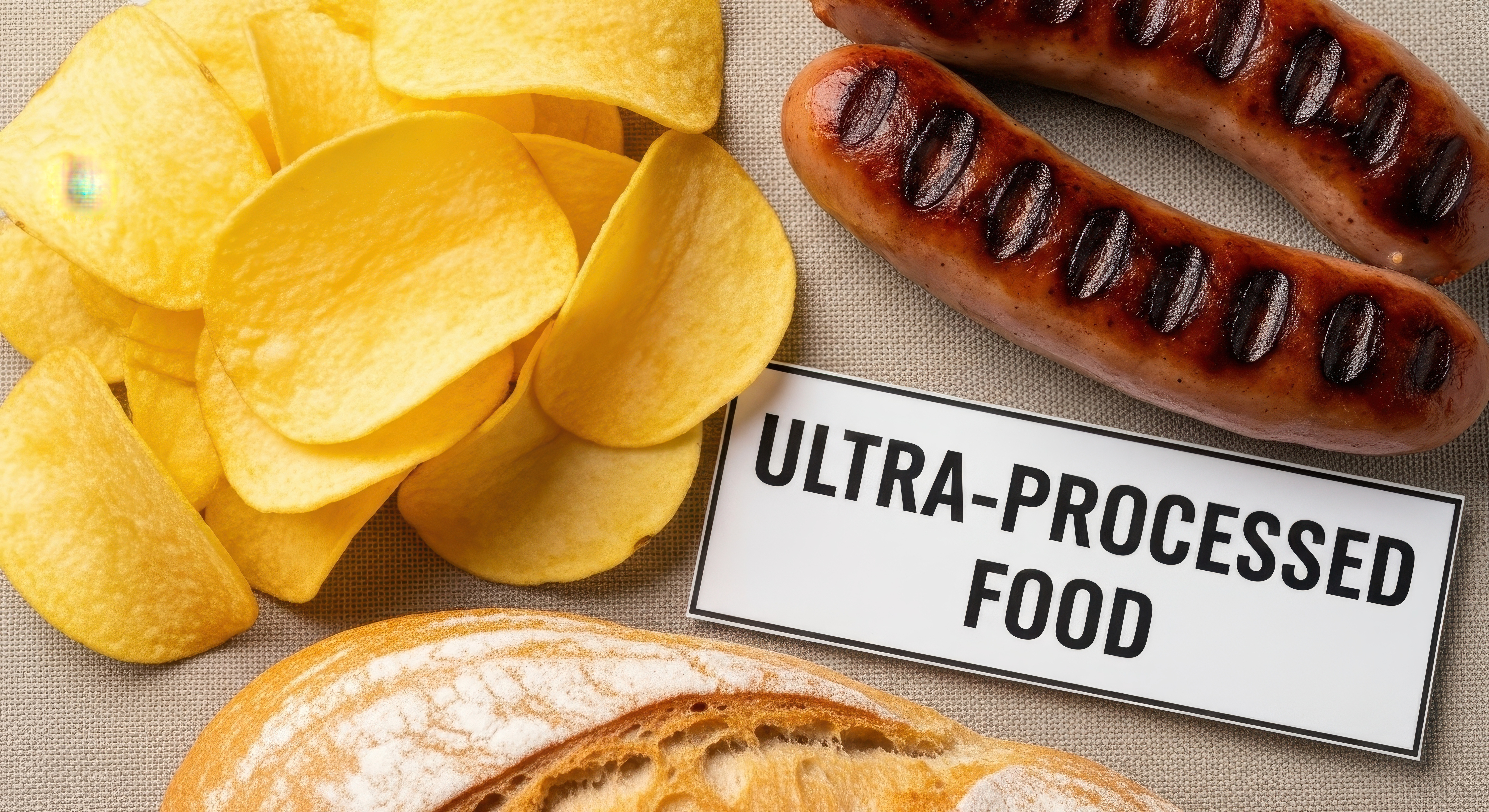
A 10% increase in calories from ultra-processed foods corresponds to roughly a 12 to 13% increase in diabetes risk. These foods combine high refined starches, added sugars, low fiber and protein content, and inflammatory fats. Some additives may adversely affect gut bacteria, impacting glucose processing.
3. Packaged Snacks and Desserts
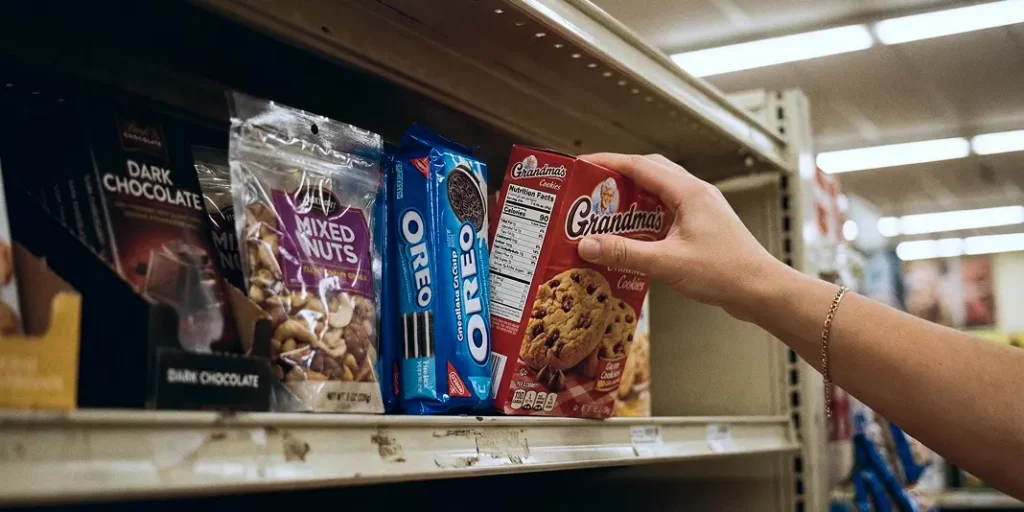
Cookies, cakes, pastries, and candy bars concentrate refined flour, added sugars, and industrial fats with minimal fiber. Trans fats increase inflammation and reduce insulin sensitivity. These products encourage overconsumption due to convenient portion sizes.
Healthier alternatives: Fresh fruit with nuts, plain yogurt with berries, home-baked whole grain treats.
4. White Bread, Refined Grains, and White Rice
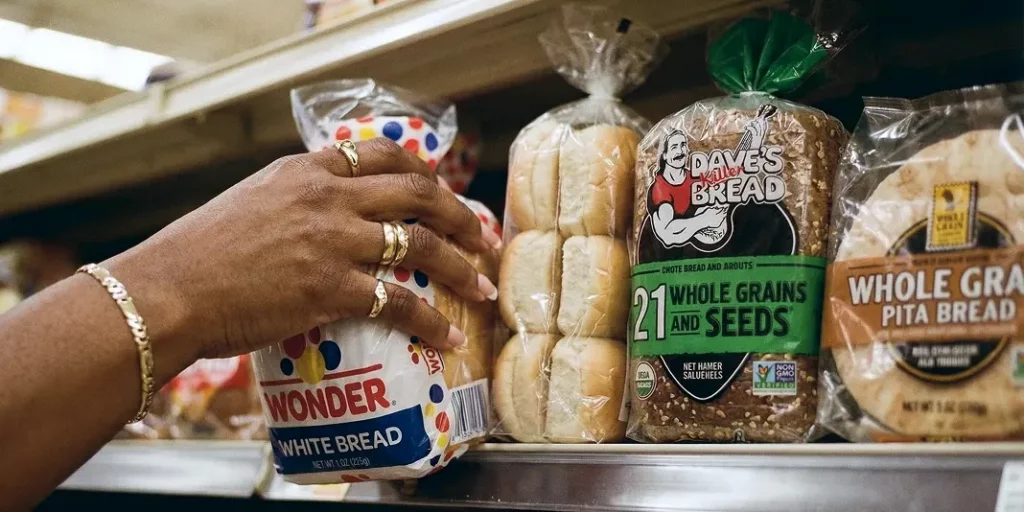
Higher white rice consumption shows approximately an 11% higher risk per additional daily serving. Refining removes components that slow digestion, causing rapid starch breakdown and sharp glucose spikes, triggering more frequent insulin release.
Healthier alternatives: Whole grain bread, brown rice, quinoa, oats, whole wheat pasta.
5. Red and Processed Meats
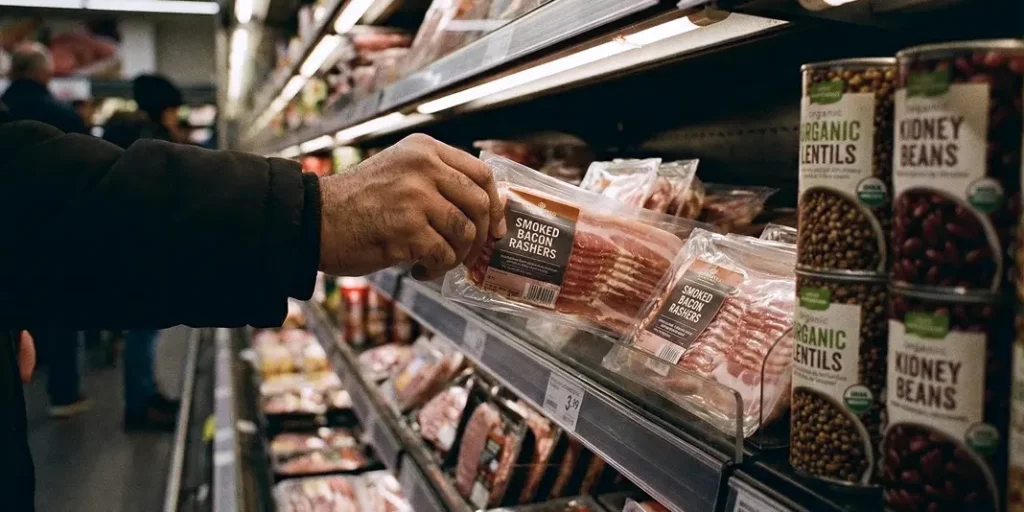
People consuming the most processed red meats show 27 to 34% higher risk of type 2 diabetes. Curing and smoking increase sodium and saturated fat content linked to inflammation and reduced insulin sensitivity.
Healthier alternatives: Beans, lentils, tofu, rotisserie chicken, fish.
6. Fried Fast Foods
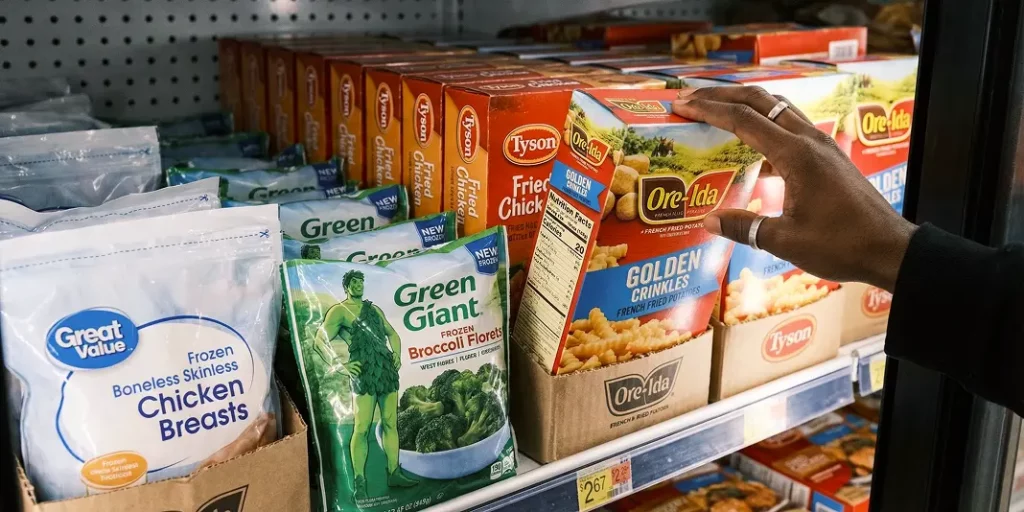
Fried foods alter starch digestion, causing sharper blood glucose rises and more frequent insulin demand. These meals typically include multiple risk factors — fries, sandwiches, sugary drinks — compounding the effect.
Healthier alternatives: Roasted or air-fried potatoes, grilled or baked chicken, roasted vegetables.
7. Sugary Breakfast Cereals and Granola Bars
Many breakfast products feature “whole grain” or “natural” labels despite containing more added sugar than fiber. Low-fiber, high-sugar breakfasts trigger rapid blood glucose fluctuations and repeated hunger signals.
Healthier alternatives: Oatmeal with nuts and fresh fruit, plain yogurt with seeds and lower-sugar granola.
How to Read Labels and Spot Hidden Sugars
- Added sugars: Aim for less than 8–10 grams per serving in cereals and snack bars.
- Fiber content: Look for at least 3–5 grams per serving in breads and grains.
- Ingredients order: Listed by weight; added sugars near the top indicate higher concentration.
- Processing indicators: Artificial flavors, emulsifiers, and multiple preservatives suggest extensive processing.
What to Eat Instead: A Day of Lower-Risk Choices
- Breakfast: Oatmeal with berries and unsweetened tea (instead of sweetened cereal and juice)
- Lunch: Grain bowl with beans and roasted vegetables with water (instead of burger, fries, soda)
- Snack: Fruit and almonds (instead of cookies or candy)
- Dinner: Baked salmon with brown rice and vegetables (instead of steak and white rice)
A Few Steps to Take From Here
Start with one or two manageable swaps. Those with prediabetes or type 2 diabetes should consult healthcare providers or registered dietitians for personalized guidance.