How to Identify Ultra-Processed Foods (Even When Labels Mislead You)
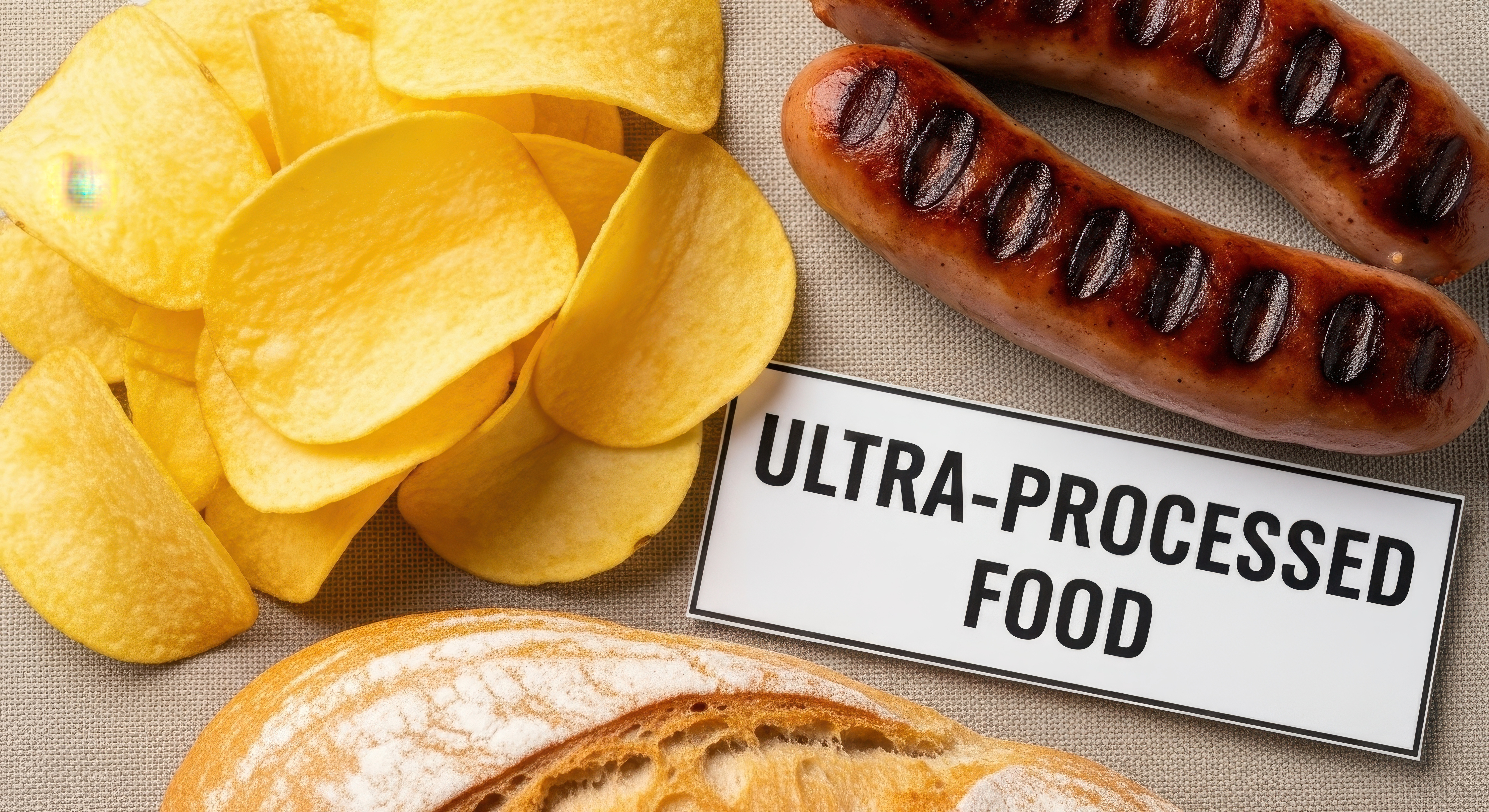
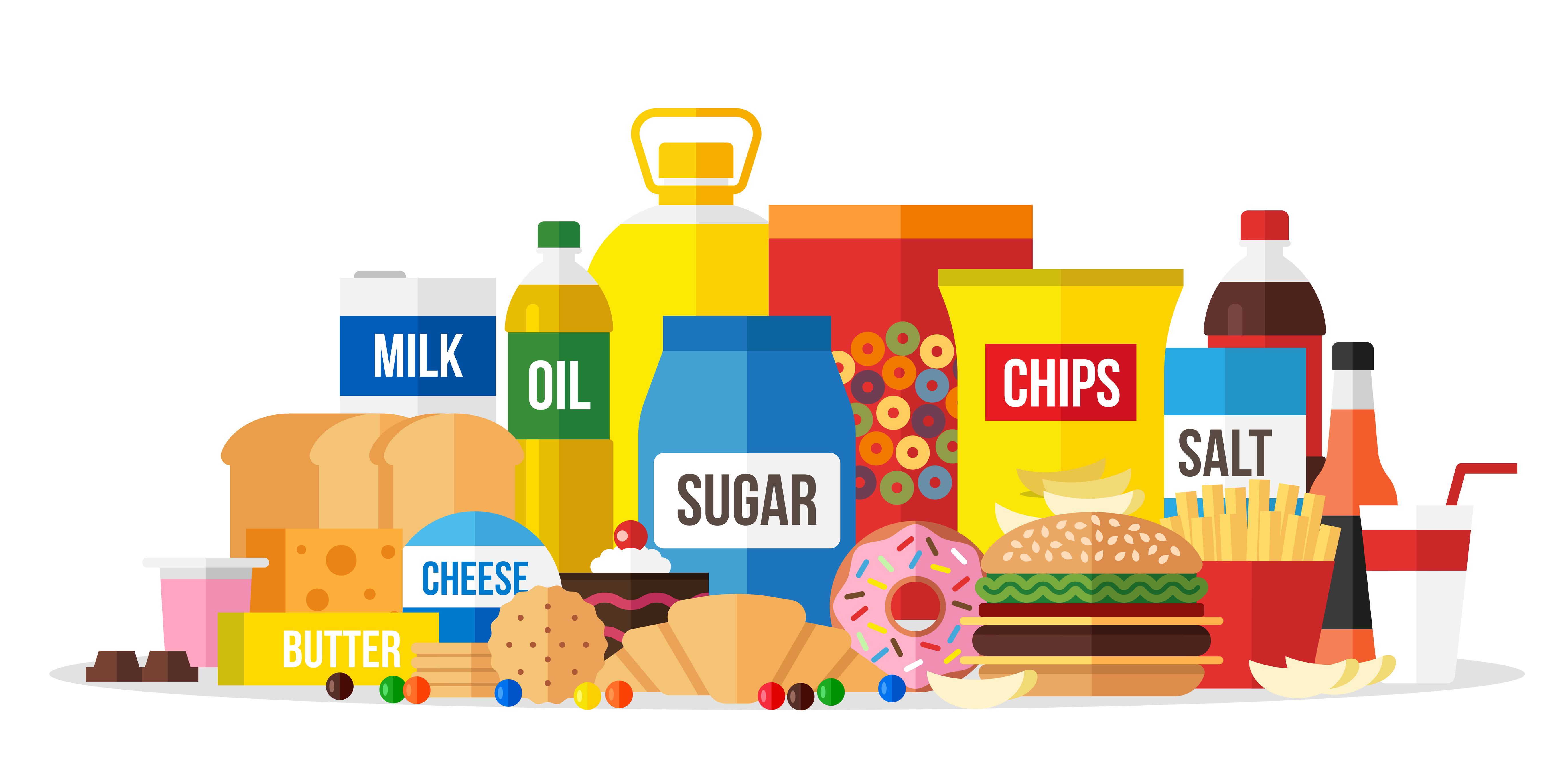
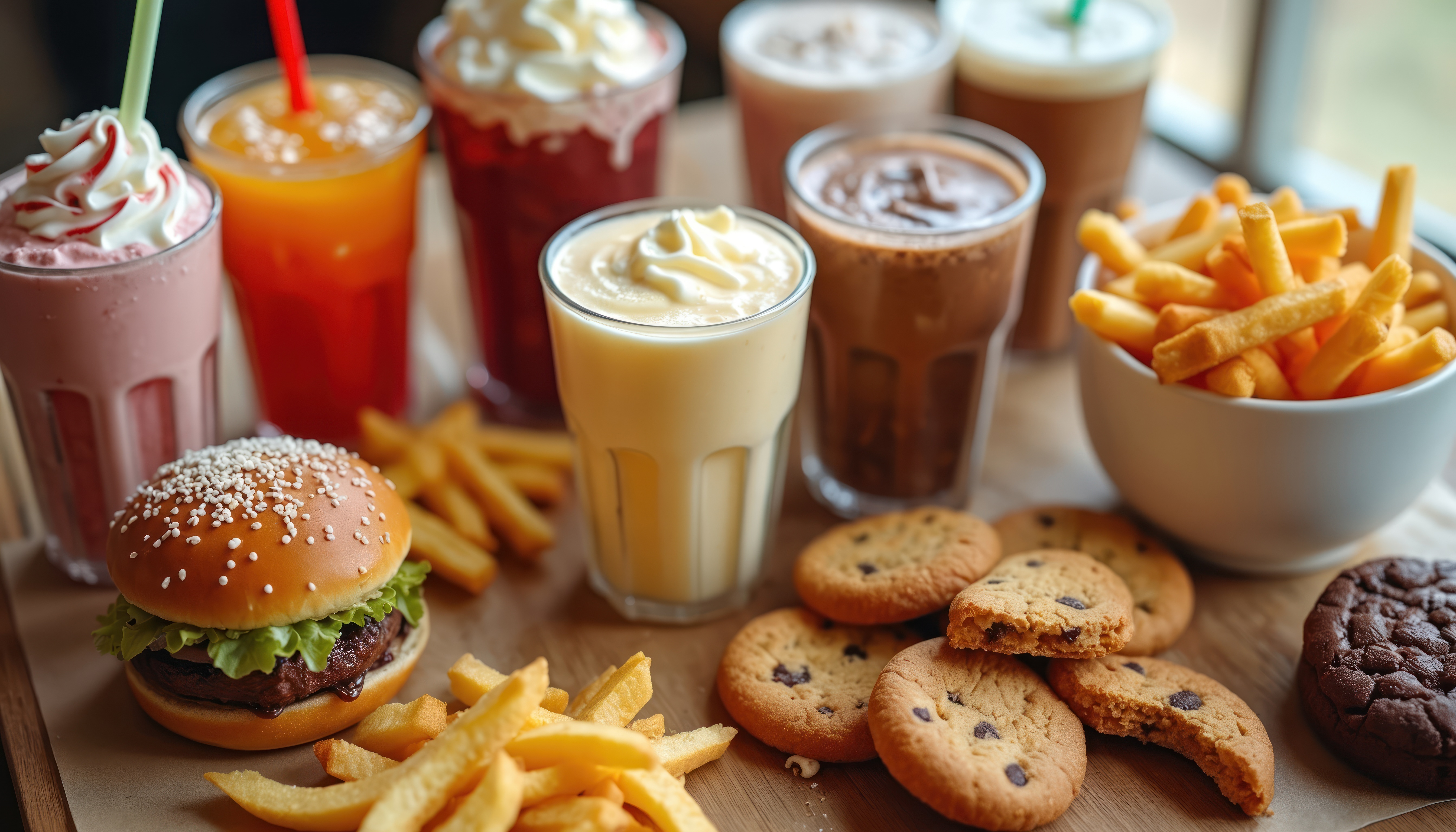
Ultra-processed foods (UPFs) are products manufactured from chemicals, flavorings, and refined ingredients rather than whole food components. They appear throughout retail environments — including organic sections — often disguised with misleading marketing claims.
Seven Proven Ways to Identify Ultra-Processed Foods
Seven fast indicators of ultra-processed foods:
- Ingredient lists exceeding 5–6 items signal a potential UPF.
- Apply the “grandma test” — unrecognizable ingredients warrant caution.
- Health halo language masks processing (“High Protein,” “Zero Sugar”).
- Unusual additives like gums and stabilizers indicate UPF.
- Hidden sugars under aliases (dextrose, syrups, juice concentrates).
- “Natural flavors” terminology conceals undisclosed chemical blends.
- Aggressive packaging design with bright colors and mascots.
Tip 1: Ingredient List Length
More than five or six ingredients, especially ones that read like lab inventory, usually means ultra-processed.
Tip 2: Grandma Recognition Test
Products like ultra-high-protein milk, zero-sugar yogurts, plant-based alternatives with extensive ingredient lists, meat substitutes, and protein beverages exemplify modern ultra-processed foods masked as healthy.
Tip 3: Health Halo Labels
Marketing claims such as “High Protein,” “Zero Sugar,” “Keto,” “Gluten-Free,” “Whole Grains,” and “Fortified” attract consumers while obscuring actual ingredient quality.
One study showed that consumers evaluated products labeled “organic” versus conventional, and the organic label alone made people underestimate calories. Trust what’s in the ingredients list, not the marketing on the front.
Tip 4: Household Additive Test
Thickeners, sweeteners, preservatives, and colorants absent from home cooking indicate ultra-processing. Common additives to watch for include:
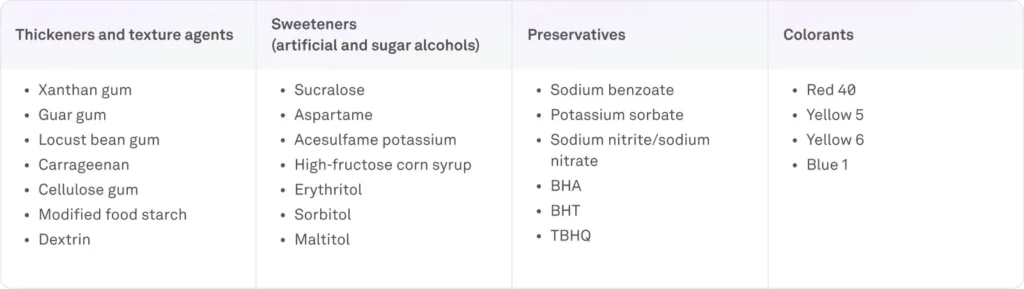
- Xanthan gum
- Carrageenan
- Maltodextrin
- Sodium benzoate
- Potassium sorbate
- Artificial color dyes
- Monosodium glutamate (MSG)
Tip 5: Sugar Aliases
Hidden sweeteners include dextrose, fructose syrup, glucose syrup, cane crystals, brown rice syrup, malt syrup, agave nectar, barley malt, invert sugar, and fruit juice concentrate.
If the ingredients list includes multiple sweeteners or disguised sugars, it’s probably not a healthy choice.
Tip 6: Flavor Compounds
During ultra-processing, foods lose natural taste, requiring artificial replacement through flavor mixtures containing over 100 chemicals — solvents, emulsifiers, enhancers, and preservatives.
A legal loophole: the 1958 Food, Drug, and Cosmetic Act permits manufacturers to use two vague terms — “natural flavors” or “artificial flavors” — instead of disclosing the full ingredients list. Approximately 3,000 chemicals used in food or packaging have never been meaningfully reviewed by the Food and Drug Administration.
Tip 7: Packaging Design
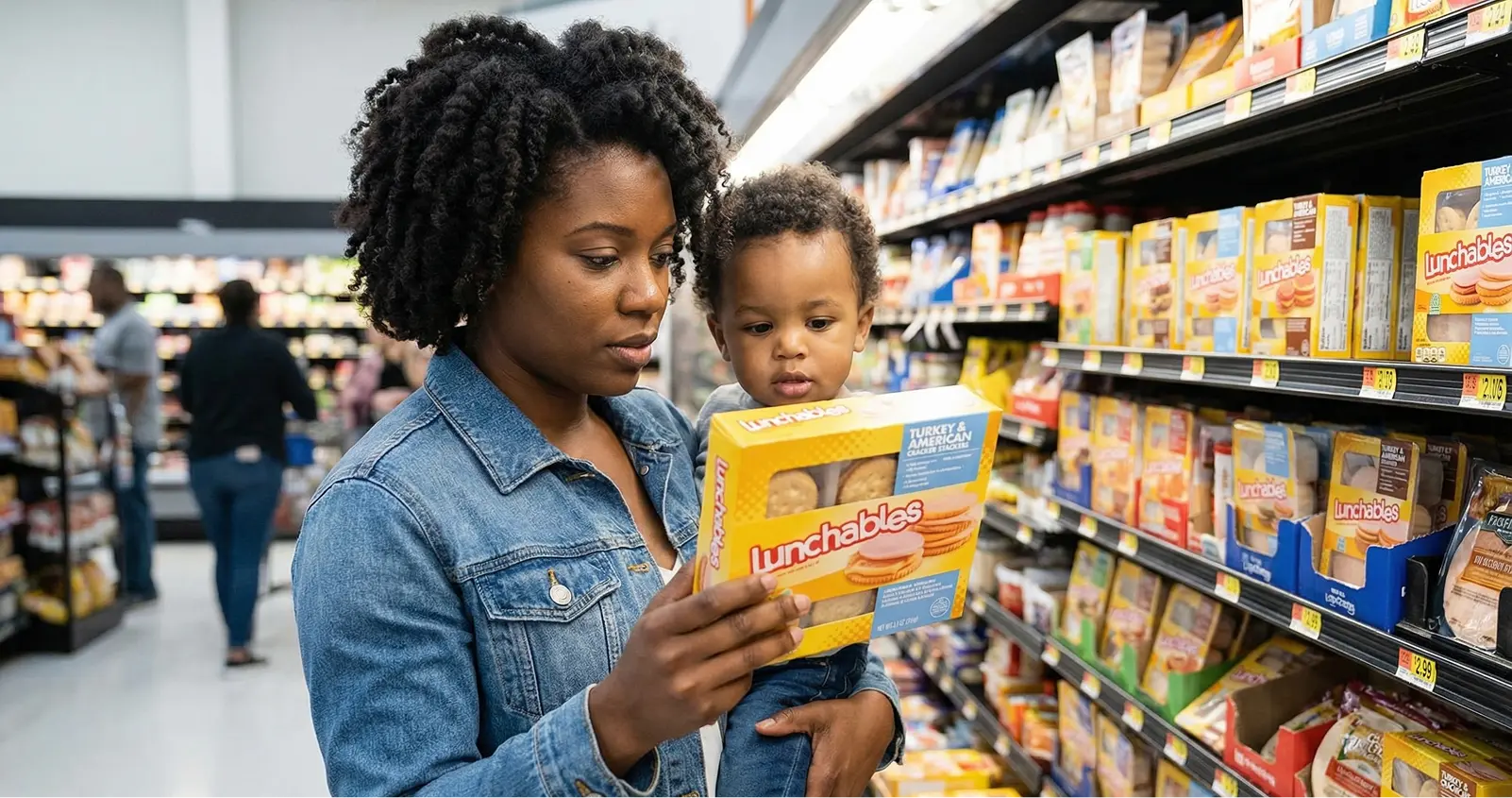
Bright colors, oversized claims, cartoon mascots, and wellness messaging distract from actual content. Highly processed foods dominate weekly promotional placements in retail environments. Data shows that sugar in infant and toddler foods jumped from 697 billion grams in 2010 to over 1,009 billion grams in 2021.
How to Gently Cut Down on Ultra-Processed Foods
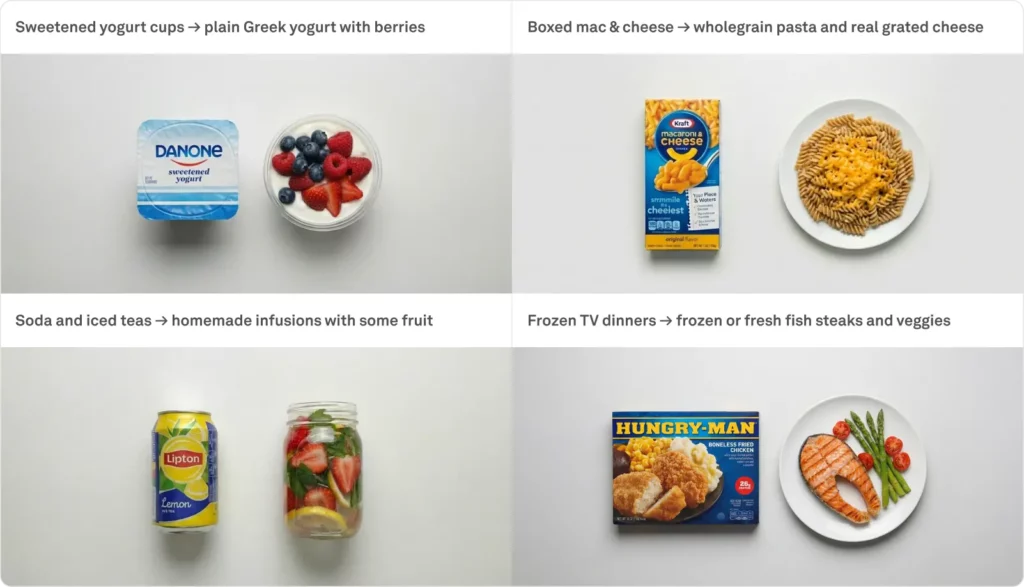
Recommended swaps:
- Sweetened yogurt cups → plain Greek yogurt with berries
- Boxed mac & cheese → wholegrain pasta with real grated cheese
- Soda and iced teas → homemade fruit infusions
- Frozen TV dinners → fresh or frozen fish with vegetables
Add one nutrient-dense food before you try to cut two processed favorites.