What Are Ultra-Processed Foods and Why Are They Bad for Your Health?

What are Ultra-Processed Foods?
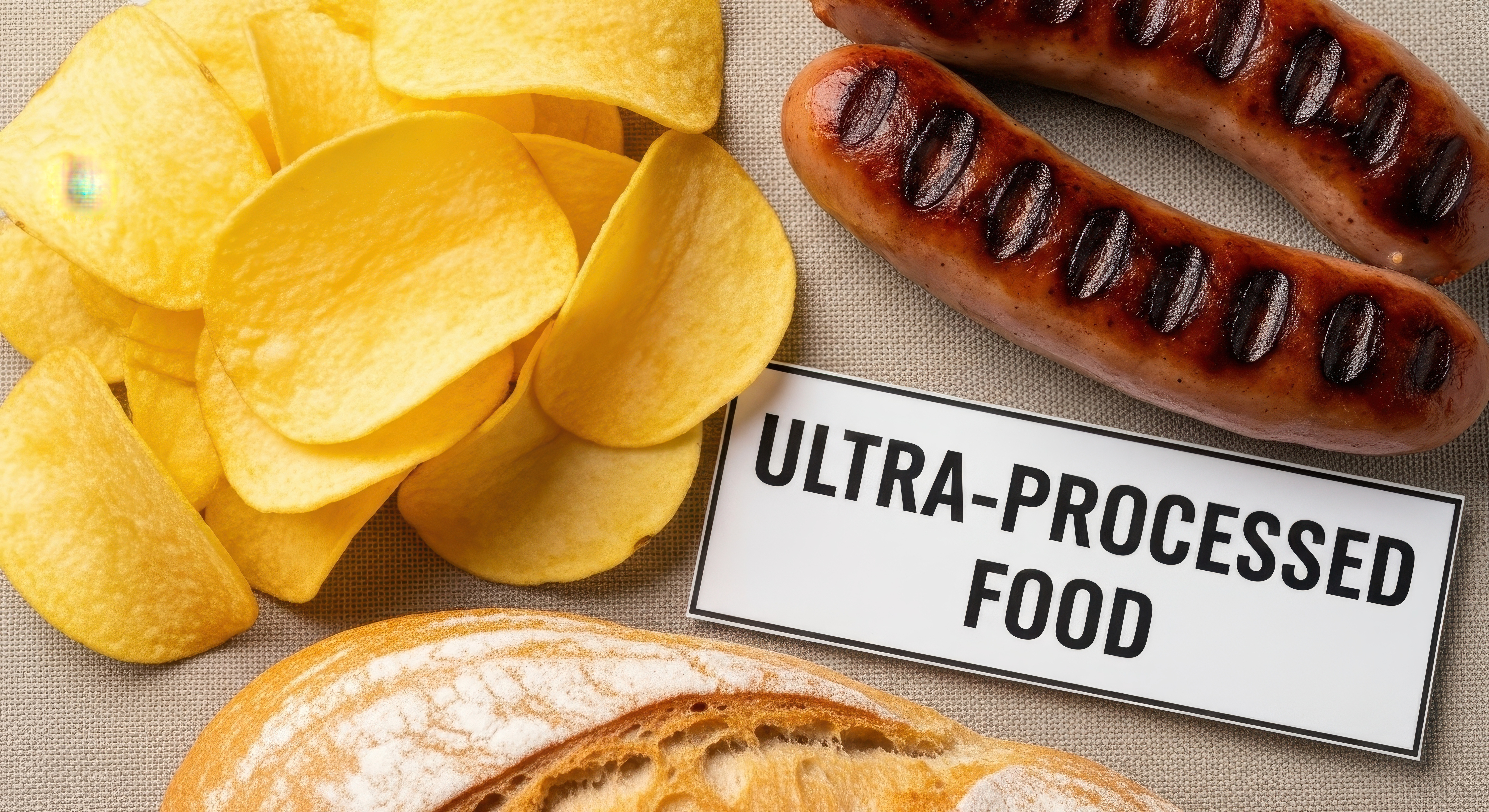
Ultra-processed foods (UPFs) are products chock-full of additives that recreate the taste and feel of natural foods. These include flavor enhancers, emulsifiers, and preservatives. They make inexpensive, often artificial ingredients taste better and stay fresher for longer. But additives also replace the essential nutrients our bodies need.
According to the U.S. Centers for Disease Control and Prevention (CDC), the average American now gets “55% of their daily calorie intake from UPFs.”
The most common examples of ultra-processed foods include:
- Processed meats
- Frozen and instant meals
- Savory packaged snacks
- Sauces and dressings
- Candies, cookies, confectionery
- Soft drinks and juices
- Ice cream and sorbets
- Vegan “meat” and “cheese”
What Makes a Food “Ultra-Processed”?
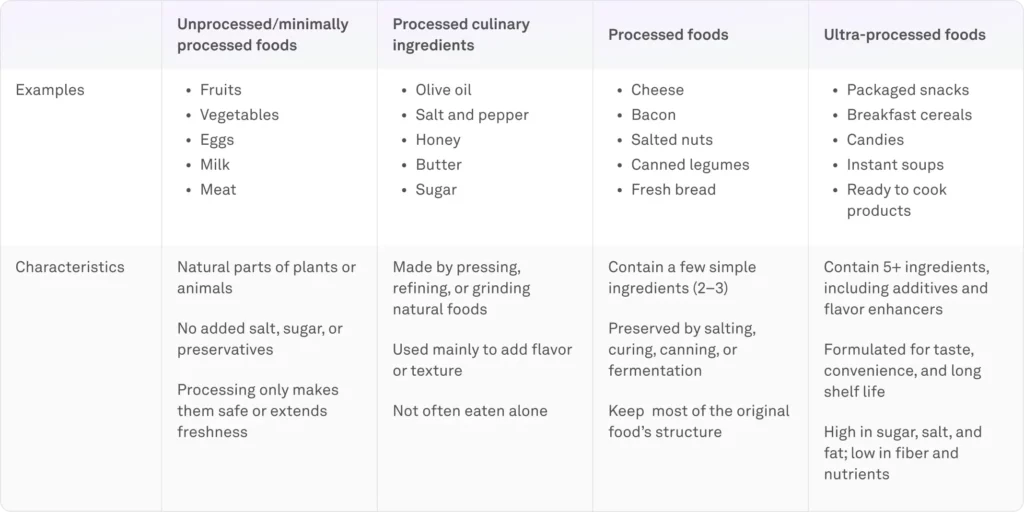
Many of us eat a mix of raw or lightly processed foods, like fruits, vegetables, and nuts. We also enjoy items like yogurt or packaged meat, which have gone through safe processing. The difference between healthy and not-so-processed goods lies in how far the processing goes for each item.
The more steps a food undergoes — both physical and chemical — before reaching the shelf, the more its original qualities change. Manufacturers replace original nutrients with cheaper, synthetic alternatives. They also add artificial ingredients that restore flavor, texture, and color, lost during reformulation.

To make the distinction clear, a team of Brazilian researchers created the NOVA food classification system. It’s now used worldwide by nutrition experts and public health authorities to help people understand what foods are ultra-processed and how to make healthier choices.
Why Are Ultra-processed Foods Bad For You?
An occasional snack is unlikely to harm your health. But a diet mostly containing UPFs will take a toll on your body.
In a comparative study, people on a UPF-heavy diet consumed “500 more calories per day and gained almost two pounds in two weeks.” Those who ate only minimally processed foods lost the same amount of weight.
Common health effects of ultra-processed foods include:
- Blood sugar spikes
- Insulin resistance
- High blood pressure
- Elevated cholesterol
- Gut inflammation
The Proven Dangers of Ultra-Processed Foods
Ultra-processed foods raise the risk of obesity, diabetes, mental, liver, and heart conditions because of how the artificial compounds impact our bodies.
A 2023 study found that people who eat mostly ultra-processed products have a:
- 47% higher risk of hypertriglyceridemia
- 37% higher risk of Type 2 diabetes
- 32% higher risk of hypertension
- 32% higher risk of obesity
Type 2 Diabetes
Type 2 diabetes happens when our body struggles to use insulin, a hormone that regulates blood sugar levels.
Ultra-processed foods are packed with ingredients that cause sharp spikes in blood sugar. In response, the body releases more insulin to bring those levels down. Over time, repeated spikes make cells less sensitive to insulin, forcing the body to produce even more — a cycle that can lead to insulin resistance.
Studies across North America and Europe consistently prove that people on a high-UPF diet are more likely to develop Type 2 diabetes. The findings apply both to adults and children.
Non-Alcoholic Fatty Liver Disease (NAFLD)
The liver is our natural filter for nutrients and toxins. Large quantities of artificial sugar and fats congest your liver as it struggles to process them. Fat buildups emerge, which disrupt metabolism and proper digestion.
A recent study among Americans found that people who eat the most UPFs had “83% higher odds of NAFLD.” For every 10% increase in ultra-processed food consumption, the risk of fatty liver increased by about 15%.
Heart Disease and Stroke
Many ultra-processed foods are extremely high in sodium.

Sodium makes our bodies hold on to water, which raises blood pressure. A study conducted over eighteen years found that each extra daily serving of ultra-processed food drives a “7% increase in cardiovascular risks.”
Cancer Risks
The World Health Organization classifies highly processed meats as “carcinogenic to humans.” Eating just 50 grams a day — about one hot dog or a few slices of ultra-processed ham — can raise colon cancer risk by roughly 29% for men.
Another study found that every 10% increase in all types of ultra-processed food in the diet was linked to a “12% higher overall cancer risk and an 11% higher risk of breast cancer.”
Mental Health Risks
A new study found that high UPF intake could be linked to Parkinson’s disease. Among 40,000 people, those on a high UPF diet — averaging 11 servings a day — were “2.5 times more likely to show early signs of Parkinson’s.”
Always Read the Food Labels
The harms of ultra-processed foods don’t hit overnight. They build up slowly, as your body strains to handle the constant flood of artificial ingredients and excess additives.
To prevent long-term damage, pay closer attention to food labels. “Natural” or “low-sugar” claims on the front packaging don’t always hold up on the back.
Stay away from foods high in sodium, high-fructose corn syrup (HFCS), monosodium glutamate (MSG), sorbitol, or saccharin.
Or simply choose items with the shortest ingredient lists. They are usually the least processed and the most healthy.