Do "Organic" and "Healthy" Labels Guarantee Fewer UPFs?

Healthy-branded foods now fill U.S. grocery aisles — from organic deli slices to low-fat yogurts and zero-sugar snacks. Labels like “organic,” “natural,” and “low sugar” make foods seem healthy, and many shoppers buy them with good intentions.
Nutrition researchers warn that current labeling rules don’t necessarily guide people toward healthier choices, with manufacturers exploiting loopholes to make misleading marketing claims.
How food labels can hide ultra-processed ingredients
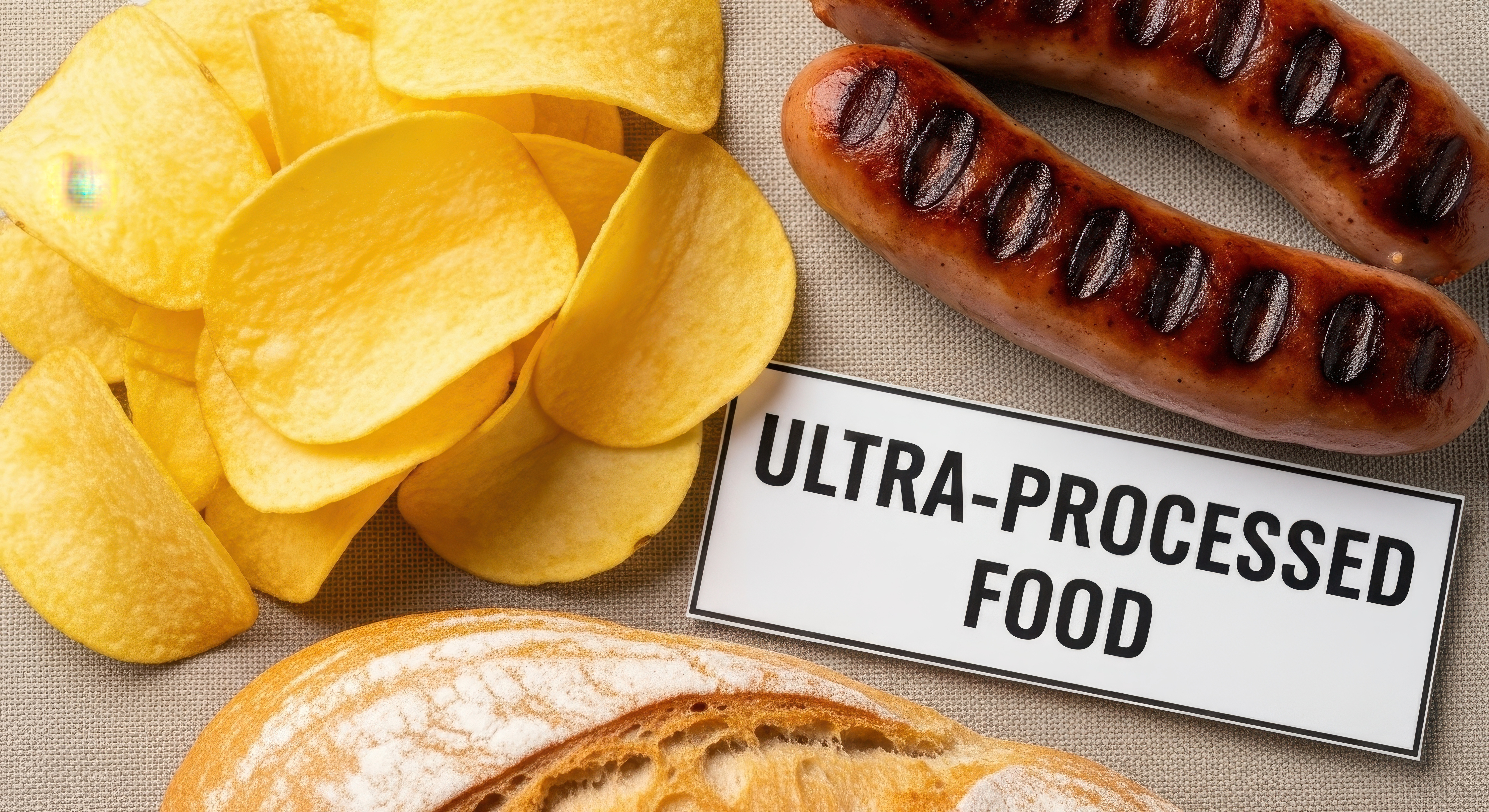
The term ultra-processed food (UPF) doesn’t have an official federal definition. It comes from public-health research, not food regulations, so it’s not part of formal labeling rules.
“Organic” seals and labels
Introduced in 1990 under the National Organic Food Production Act, the USDA certification program created an official “organic” label. What it means: produced without genetic engineering, ionizing radiation, synthetic growth hormones, or routine antibiotics.
Critical limitation: organic doesn’t mean chemical-free. Pesticides and other pest-control treatments are still allowed. Stanford research found organic produce is no more nutritious than regular fruits and vegetables. Organic doesn’t mean healthy — organic foods can still be highly processed and have low nutritional value.
”Natural” and “100% natural”
Unlike “organic,” the “natural” label lacks precise regulatory criteria. The FDA recommendation only applies to foods with no added color, artificial flavors, or synthetic substances — and it is not enforced. Lab-made ingredients can still be marketed as “natural,” including:
- Erythritol (industrial sugar alcohol)
- Refined starches (high-glycemic index)
- Maltodextrin (ultra-refined starch causing blood sugar spikes)
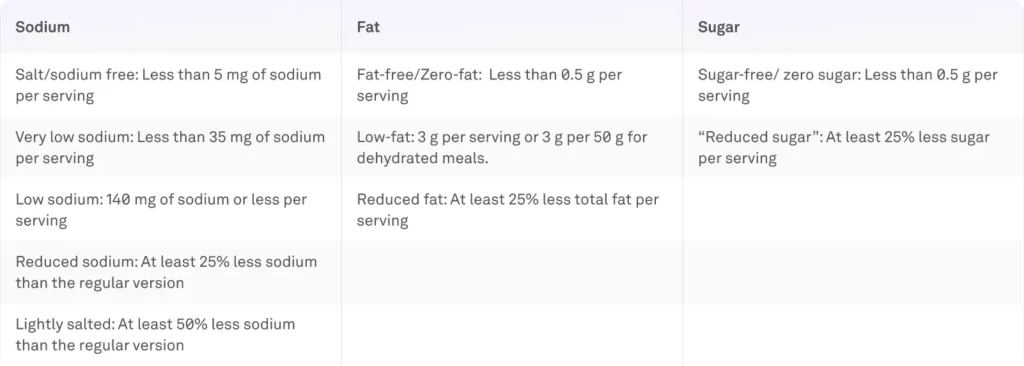
“Low-sugar,” “low-fat,” “low-sodium”
These are FDA-regulated nutrient claims with specific guidelines, but limitations include:
- “Low” doesn’t mean absent
- Only reveals nutrient amounts, not processing level
- Based on Reference Amount Customarily Consumed (RACC) that often don’t match actual consumption
- “No sugar” products may contain sugar substitutes or sugar alcohols
”Plant-based”
FDA guidelines exist but are non-binding recommendations. A “plant-based” label doesn’t mean that food is healthier or less processed. Many plant-based foods rank among the worst ultra-processed products.
”Healthy”
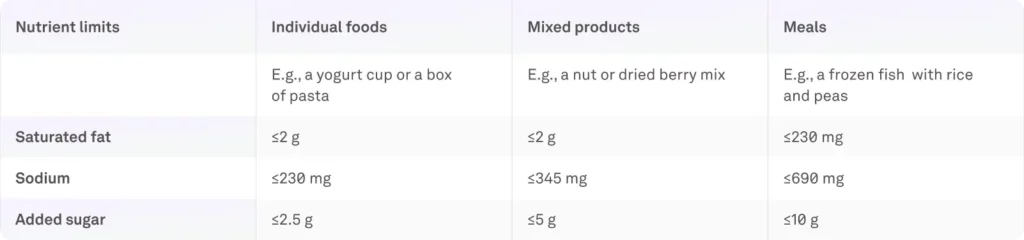
An updated FDA rule allows the “healthy” label only on nutrient-dense foods with no added ingredients except water, and the product must meet limits on saturated fat, sodium, and added sugar. However, a “healthy” label says nothing about processing or artificial ingredients. High-intensity sweeteners are not counted as added sugars, allowing products to bypass sugar limits.
Six common ultra-processed foods marketed as “healthy”
1. Organic “no stir” peanut spreads
Example: MaraNatha Organic No-Sugar spread. Issue: contains organic palm oil, which is high in saturated fat. When a peanut butter advertises itself as “no-stir,” it’s usually because added oils or stabilizers are preventing natural oil separation.
2. “Healthy” protein bars
Example: Pure Protein Chocolate Deluxe Bar. Processed protein isolates lack natural fiber and micronutrients. The bar contains maltitol syrup (a refined sweetener affecting blood glucose), refined tapioca starch, and modified palm oil. It qualifies as ultra-processed despite its “healthy” labeling.
3. Organic granola or “whole grain” cereal
Example: Kashi GO Original. Issues include soy protein concentrate and “natural flavor” (a form of artificial flavoring). QUAKER Simply Granola exceeds FDA sugar limits with 13 or more grams per serving.
4. Plant-based milks
90.1% of plant-based beverages and 95% of almond milks in the USDA Branded Food Product Database meet the criteria for being ultra-processed. Example: Oatly uses low-erucic acid rapeseed oil and dipotassium phosphate as additives.
5. “Fresh” deli slices and sausages
Example: Oscar Mayer Deli Fresh Turkey Breast contains modified cornstarch, cultured dextrose, sodium phosphates, and carrageenan. Even “natural” options often contain added sugars such as cane sugar or maple syrup.
6. Low-fat or high-protein yogurt cups
Example: Light + Fit Greek Nonfat Yogurt. The base undergoes multiple processing steps including ultra-filtering and fermentation. It contains fructose, sucralose (an artificial sweetener linked to gut health changes), and natural flavorings.
How health-framed UPFs can undermine your wellness goals
- Blood sugar spikes: Loaded with refined sugars causing rapid absorption.
- Additives linked to inflammation: Polysorbate-80, carboxymethylcellulose, carrageenan, mono- and diglycerides may irritate the gut lining.
- Hidden calories and overeating triggers: Engineered for high appeal, promoting overconsumption.
- Engineered proteins: Isolates provide lower nutritional value than whole-food sources.
- Flavor enhancers: Train palates to expect intense tastes, making whole foods seem bland.
How to spot UPFs among “healthy” or “organic” goods
Three red flags to watch for:
- Unfamiliar ingredients (protein isolates, starches, emulsifiers)
- Added sugars, including natural-sounding ones like agave syrup or maltodextrin
- Added oils where they are not naturally necessary
A few simple changes for a more balanced diet
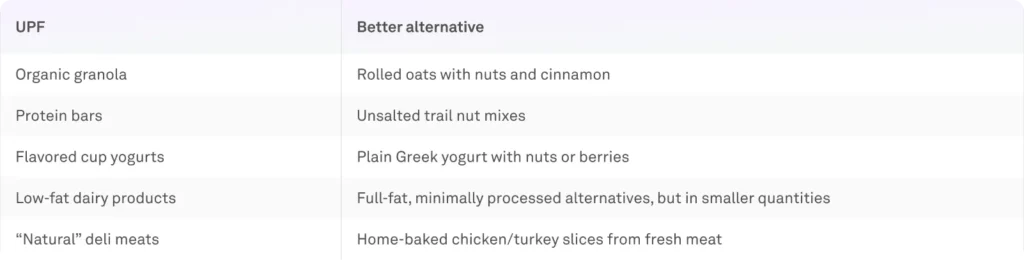
Small, intentional swaps can make a meaningful difference. Focus on whole foods with short, recognizable ingredient lists — and let the ingredient panel, not the front-of-pack marketing, guide your choices.